

Jai Opetaia Sues IBF for Title Reinstatement, Alleges Wider Industry Conspiracy

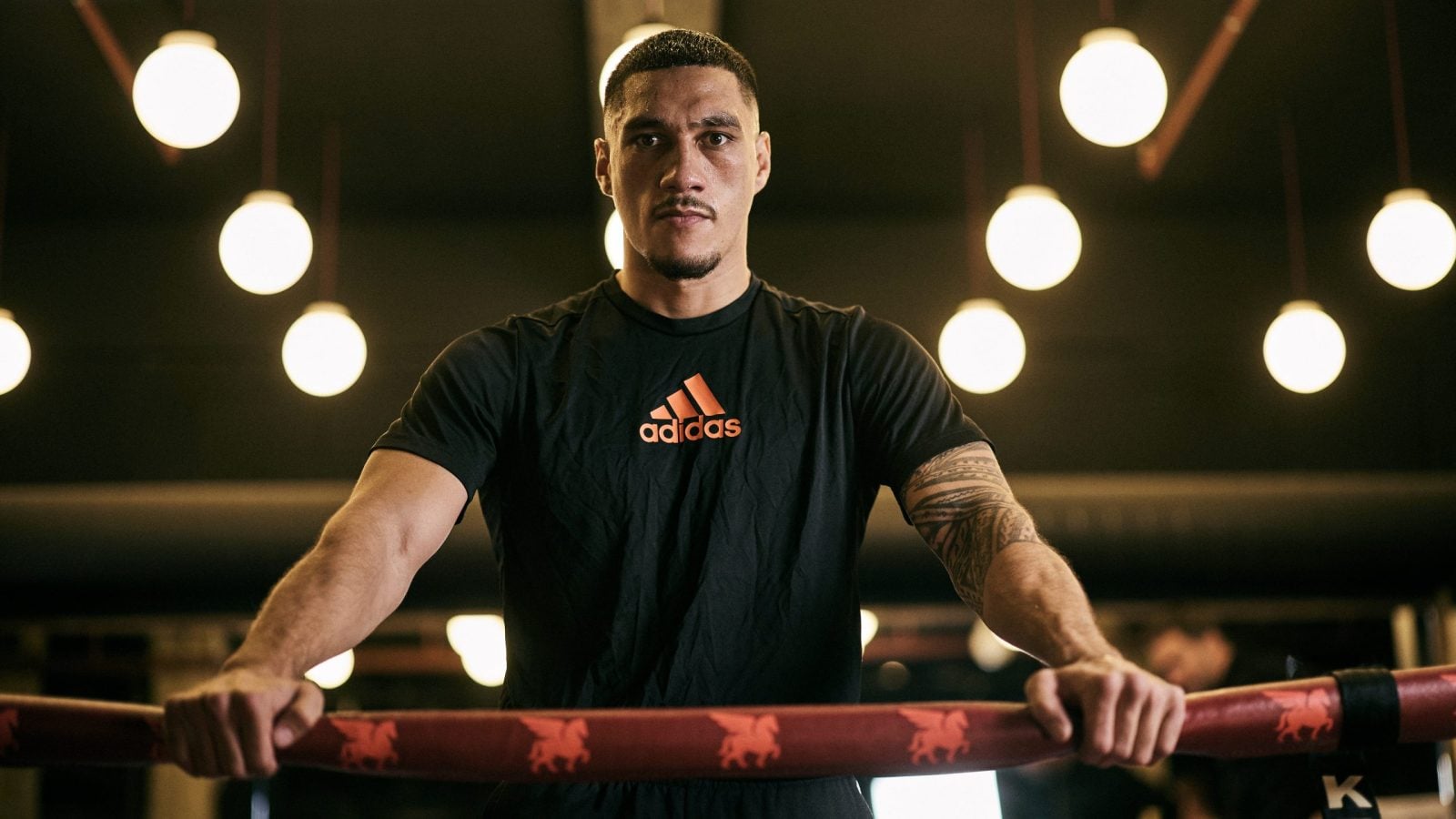
Jai Opetaia has asked a federal court to reinstate him as IBF cruiserweight champion and prevent the organisation from recognising a replacement while his lawsuit proceeds, alleging his removal formed part of a wider campaign to punish fighters associated with Zuffa Boxing.
The 19-page complaint was obtained by Box.Live, also accuses the WBC of obstructing potential fights with David Benavidez and Noel Mikaelian, while alleging that figures connected to all four major sanctioning bodies, including Eddie Hearn, coordinated to damage Opetaia’s career after he signed with Dana White’s new promotional venture.
Filed in the U.S. District Court for the District of Nevada on July 14, the action names only the IBF as a defendant but identifies the WBC, WBA, WBO and several prominent figures as alleged participants in a broader conspiracy.
Opetaia is seeking the return of the title he lost after proceeding with his March 8 victory over Brandon Glanton without IBF sanction. He also wants temporary, preliminary and permanent injunctions preventing the IBF from staging a bout for the vacant belt or naming a new champion, including an interim titleholder.
The Australian argues the consequences have already extended beyond the championship itself. His complaint says losing the IBF belt damaged his marketability and future earning power, contributing to the collapse of a potential fight with Benavidez and complicating attempts to challenge WBC champion Mikaelian.
Benavidez is said to have lost interest in facing Opetaia once the IBF title was removed from the equation. The filing also accuses the WBC of threatening to strip Mikaelian if he agreed to face Opetaia rather than fulfil an order to box Benavidez, portraying the two developments as part of an effort to isolate him from major championship opportunities.
At the centre of the case is a dispute over whether the Zuffa Boxing cruiserweight belt was simply a company-branded trophy or a competing world championship that breached the conditions under which the IBF approved Opetaia’s fight with Glanton.
Opetaia’s lawyers describe Zuffa as a promotional company rather than a sanctioning organisation. It does not charge sanctioning fees, impose mandatory challengers or operate independent rankings in the manner of the IBF, WBC, WBA and WBO, and the complaint compares its belt to The Ring championship.
The IBF’s account presents a narrower form of approval. It says sanction was granted only after Opetaia’s representatives provided written assurances that the contest would not be promoted as a unification and that any Zuffa belt would be characterised as a trophy or token of recognition.
Sanction followed an initial IBF refusal
The IBF says president Daryl Peoples first became aware of the Glanton fight through social media on February 11 and reminded Opetaia’s representatives of Rule 5, which governs champions contesting titles associated with other organisations.
Michael Francis, head of Tasman Fighters and Opetaia’s registered IBF promoter, subsequently applied for sanction for an optional defence. The request was initially rejected under Rule 5.E.2, which limits recognised unification contests to titles held by champions from the WBA, WBC and WBO.
Francis sought reconsideration by arguing that the Zuffa belt could be treated in a similar way to the IBO. Peoples rejected that comparison, stating that the IBF recognised the IBO and that it operated within the same regulated sanctioning framework.
That initial refusal is not set out in detail in Opetaia’s complaint, which instead places greater emphasis on the IBF’s knowledge that Zuffa was promoting the event and that another belt would be awarded.
The communication process changed on February 28 when Sean Gibbons, acting as a mediator, wrote: “Any prior requests related to this bout were unauthorized and should be disregarded.”
The IBF says it then conducted further discussions through Gibbons and attorney Joshua Dubin. On March 3, Dubin provided written confirmation that “Zuffa Boxing … will not bill or otherwise promote the bout as a ‘unification.’”
His letter also stated that “[a]ny belt awarded will be characterized as a trophy or token of recognition.” According to the IBF, Gibbons separately represented that the Zuffa title itself would not be contested.
Sanction was granted on March 5. Opetaia directed payment of the required $73,000 fee the following morning, with the IBF also sending its designated supervisor to Las Vegas.
The lawsuit says those actions, together with the preceding communications, created an implied agreement that the fight would be sanctioned and that the winner would remain or become IBF cruiserweight champion despite also receiving the Zuffa belt.
The IBF maintains its approval was conditional. Its position is that the fight could proceed only if the Zuffa award was treated as a company trophy rather than promoted as a parallel world championship.
That distinction is central to Opetaia’s fraud, contract and promissory estoppel claims. His case depends in part on showing that the IBF understood and approved the true nature of Zuffa’s presentation before later using its rules as a pretext. The IBF can argue it approved one version of the event and was publicly presented with another.
Press conference prompted late withdrawal
The dispute escalated at the March 6 press conference, where the fight was presented as being for the “Zuffa World Cruiserweight Championship”.
The IBF says that description contradicted the written assurances on which sanction had been granted. It withdrew approval less than 48 hours before the fight and instructed its supervisor to leave Las Vegas.
Opetaia’s complaint characterises the decision as an emotional and retaliatory response rather than a neutral application of the rules. It quotes Peoples expressing “disappointment” and “embarrassment” because he believed the IBF had been “presented as secondary”.
The filing includes a photograph showing Opetaia seated behind the IBF and Ring belts, while the Zuffa belt was not displayed on the table. His lawyers use the image to dispute any suggestion that the IBF championship was physically marginalised during the press conference.
The IBF’s objection, however, was not limited to belt placement. It maintains the event was being promoted as a Zuffa world-title contest after approval had been secured on the basis that the additional belt would be characterised only as a trophy.
Marc Ratner, the UFC’s Senior Vice President of Government and Regulatory Affairs, wrote to Peoples before the fight asking the IBF to reverse its decision.
Ratner argued that the “Zuffa Boxing belt is a company branded belt—it is exactly like the Ring Belt [because Zuffa Boxing] is not a sanctioning body; we do not charge sanctioning fees; there are no mandatory bouts.” He also warned that “declaring vacant the IBF Cruiserweight title will cause Jai significant harm.”
The IBF did not relent. It returned the $73,000 sanctioning fee on March 7, but Opetaia proceeded with the contest the following evening, arguing that withdrawing would have cost him months of preparation and seven-figure compensation.
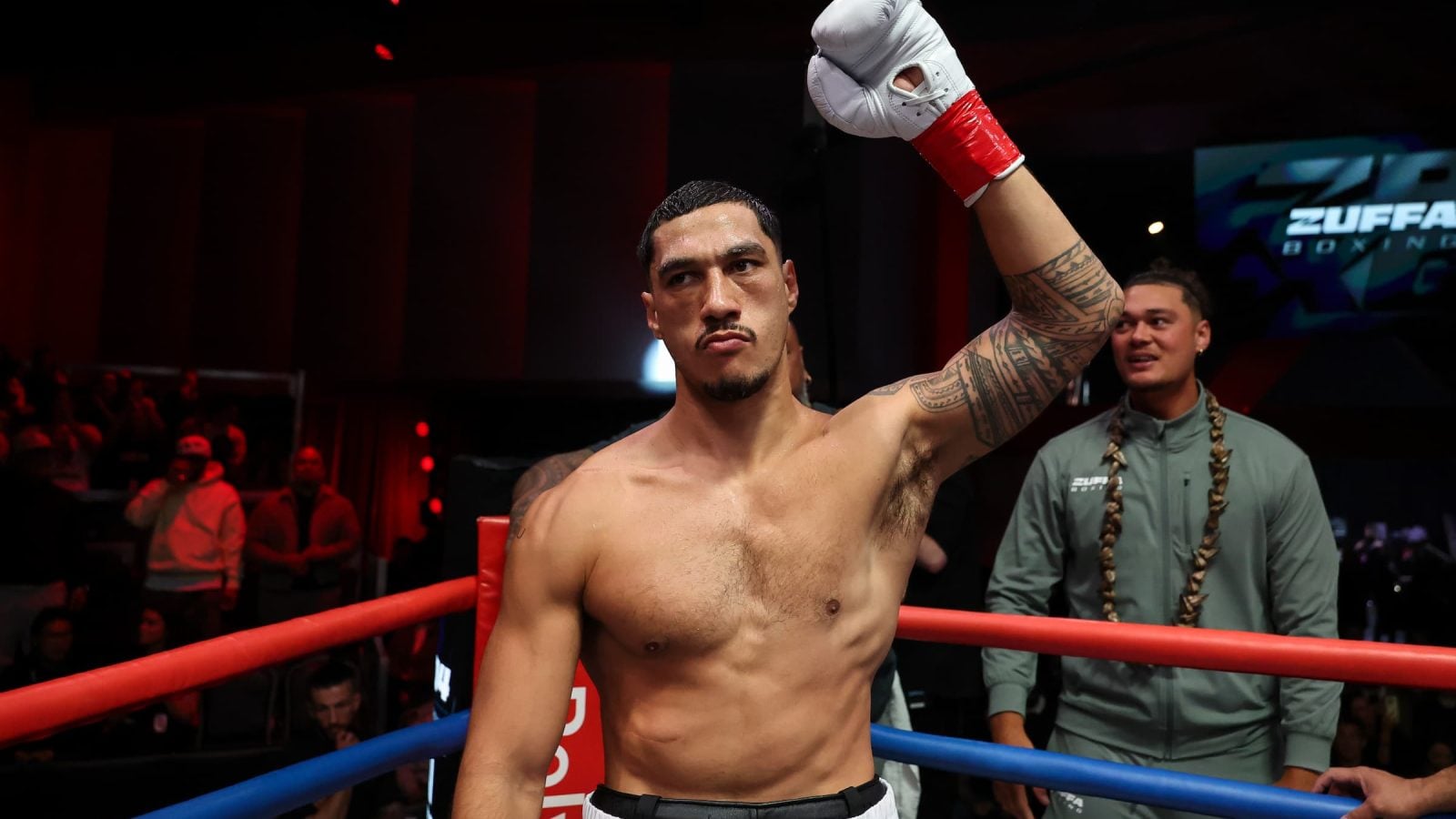
He defeated Glanton by unanimous decision, retained The Ring championship and received Zuffa Boxing’s inaugural cruiserweight belt.
Under IBF Rule 5.H, a champion who competes in an unsanctioned contest within his division loses the title regardless of the result. The rule states: “If a Champion participates in an unsanctioned contest within his prescribed weight limit, the title will be declared vacant whether the Champion wins or loses the bout.”
The IBF Board met by teleconference on March 19 and formally declared the championship vacant. Opetaia’s argument is that Rule 5.H cannot justify the outcome because the decision to withdraw sanction was itself fraudulent, contractual bad faith and part of an alleged coordinated retaliation campaign.
It was the second time he had lost the IBF championship outside the ring. In 2023, Opetaia gave up the belt before facing Ellis Zorro in an unsanctioned contest while owing a mandatory defence against Mairis Briedis.
He regained the championship by defeating Briedis in their May 2024 rematch and made four successful defences before the Glanton fight. The previous dispute involved an outstanding mandatory obligation rather than Zuffa’s status, but the IBF could argue Opetaia and his team were already familiar with the consequences of entering an unsanctioned contest.
Complaint alleges collusion beyond the IBF
Opetaia’s case extends well beyond an argument over the interpretation of Rule 5.
The complaint alleges IBF officials communicated with executives from other sanctioning organisations and boxing figures before withdrawing sanction. It identifies the WBC, WBA, WBO, Mauricio Sulaimán, Gilberto Mendoza, Gustavo Olivieri, Levi Martinez, Alberto Leon and Eddie Hearn as alleged participants.
Hearn, Opetaia’s former promoter, is quoted as predicting before the fight that the established sanctioning bodies would “make a stance sooner than you think” and that “Jai will get stripped”.
Opetaia’s lawyers say evidence of coordination exists in group text messages and WhatsApp conversations. They also allege that messages were exchanged congratulating the IBF after the title was vacated, although those private communications were not attached to the complaint.
The filing brings nine claims, including an alleged violation of the Muhammad Ali Boxing Reform Act, fraud, breach of contract, breach of the implied covenant of good faith and fair dealing, promissory estoppel, interference with contractual and prospective economic relationships, aiding and abetting and civil conspiracy.
Its Ali Act claim focuses on the $73,000 payment. Opetaia alleges the IBF accepted the fee before making required financial disclosures to the Nevada State Athletic Commission. The organisation’s decision to refund the money may assist its response to the fraud and damages claims, but does not by itself resolve whether it was entitled to receive the payment when it did.
The IBF also has potential procedural arguments under its published rules. Those include an internal appeals process, provisions directing litigation against the organisation to New Jersey and restrictions on recoverable damages.
Opetaia’s complaint says any further action through the IBF would have been futile because of its alleged bad faith and involvement in the conspiracy, but does not detail whether he filed an internal appeal before going to court.
The current cruiserweight rankings complicate any broader suggestion that fighters have been excluded from the major sanctioning bodies simply for signing with Zuffa. Opetaia remains The Ring champion and is ranked No. 1 by the WBC, No. 3 by the IBF and No. 1 by the WBA despite being stripped of the IBF title.
Zuffa stablemates Chris Billam-Smith and Ryan Rozicki also retain prominent positions. Billam-Smith is ranked No. 3 by The Ring, No. 2 by the WBC, No. 4 by both the IBF and WBO, and No. 3 by the WBA, while Rozicki is listed at No. 8 by The Ring and the WBC.
Those positions could support the IBF’s argument that its objection was not to Zuffa-contracted fighters generally, but specifically to an IBF champion taking part in a contest promoted as being for a separate Zuffa world title. Opetaia’s case instead alleges that the title dispute became the starting point for a coordinated attempt to obstruct his access to the most lucrative championship fights.
The vacant IBF title picture contains fighters from both sides of that promotional divide. Viddal Riley, who is not signed to Zuffa, strengthened his position by defeating Mateusz Masternak in an eliminator that had already been ordered. Billam-Smith remains another highly ranked contender despite his Zuffa agreement, potentially placing him in contention for an all-British title fight with Riley.
The next stage will be shaped by whether the Nevada court grants Opetaia immediate protection against the vacant championship being filled. Any IBF order involving Riley, Billam-Smith or another contender could now develop alongside Opetaia’s attempt to preserve and reclaim the belt through the litigation.
The substance of the case is likely to turn on the complete March correspondence, the exact conditions attached to the IBF’s sanction approval and whether the private messages described in the complaint support Opetaia’s allegation that the rules dispute was used to conceal coordinated retaliation.












Give us your thoughts on Jai Opetaia Sues IBF for Title Reinstatement, Alleges Wider Industry Conspiracy
Please login to comment
log in