

Ali Revival Act Passes House, Signals Structural Shift Toward UFC-Style Model
The Ali Revival Act has passed the United States House of Representatives by voice vote, marking the first major boxing legislation to clear the House in 26 years and potentially reshaping the sport’s structure.
First boxing legislation passes House in 26 years
Congressman Brian Jack confirmed the bill’s passage, describing it as a historic moment for the sport.
He said the legislation will “revive boxing in the name of Muhammad Ali,” while aiming to improve safety, quality of life, and create a framework for innovation.
The bill had previously advanced through the House Committee on Education and Workforce with a 30-4 bipartisan vote on January 21.
Bill limits titles, changes pay and regulation
The Act proposes sweeping structural changes to how boxing operates across sanctioning bodies and promoters.
It would limit each sanctioning body to a single world title per weight class and restrict the use of interim belts. This could directly impact organisations such as the World Boxing Association, including the future of its “Regular” title.
The legislation also removes the long-standing requirement for promoters to disclose financial details to fighters and commissions, altering transparency rules that have been in place for more than 25 years.
In addition, the bill introduces guaranteed per-round minimum purses and updated drug-testing standards. These provisions are designed to improve fighter conditions, though they may increase costs across the sport.
The framework also allows for the creation of Unified Boxing Organization systems, opening the door to more centralised competition models.
Act opens door to UFC-style league system
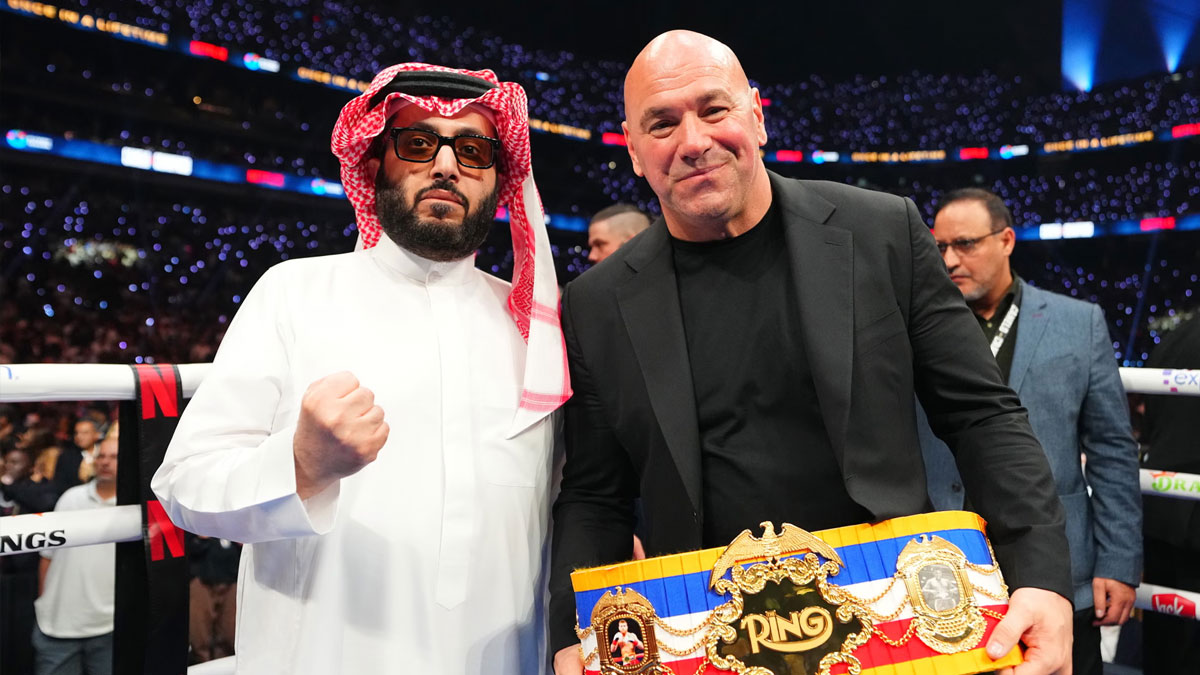
The passage of the Act is expected to accelerate efforts by the Saudi and TKO Group-backed Zuffa Boxing to establish a league-style structure within boxing.
Such a system could mirror the UFC model, where titles, rankings, and matchmaking are controlled internally rather than by multiple sanctioning bodies.
This represents a shift away from boxing’s traditional “alphabet” system, where multiple organisations operate independently.
Promoters face structural and financial pressure
Established promoters, including Matchroom, Top Rank, and Golden Boy, may be forced to adapt their business models.
Higher compliance costs tied to drug testing and insurance could disproportionately affect smaller promoters, while well-funded organisations may gain a competitive advantage.
At the same time, a more structured system with minimum pay and clearer pathways could influence fighters to move toward league-based models if implemented.
The legislation now advances through the next stages of the congressional process. If enacted into law, it could redefine how titles are governed, how promoters operate, and how fighters are compensated within a potentially centralised boxing structure.






















This is not good A shiek pouring money into boxing letting a gambling addict run things while accusations of purse money being gambled away and fighters underpaid even leaving his organization. Like what could go wrong
This has the potential to be good for the sport if handled equitably. I am old enough to have been a boxing fan when Ali came up. Who remembers what boxing was like when Ali fought? Look at who has the most to gain and who will loose. This bill has the potential to be good for the sport and the athletes Look at who lobbied for the legislation and got it passed. Then think about how this may play out and why. Am I the only one hearing about this for the first time? 🤔
I shouldn’t think so, Jo. There’s been quite a lot of talk about the poor coverage it’s received in the industry.